
Partners
Supply Chain Management
ASIX upholds sustainable operations by fostering strong, responsible relationships with its supply chain, guided by principles of regulatory compliance, social responsibility, and environmental stewardship. The company’s supply chain management framework encompasses human rights standards, procurement policies, supplier quality management, green product compliance (hazardous/substance restrictions), and responsible mineral sourcing. Suppliers are required to protect workers, ensure product quality, avoid minerals sourced from conflict‑affected and high‑risk areas (CAHRAs), comply with green product regulations, and sign relevant declarations prohibiting hazardous substances.
Raw material sourcing emphasizes local procurement, flexible manufacturing, and second‑source contingency mechanisms to build a resilient and sustainable supply chain. Through close collaboration and professional division of labor, ASIX and its suppliers aim to minimize environmental impact while creating long‑term, win‑win partnerships.
Supplier Code of Conduct
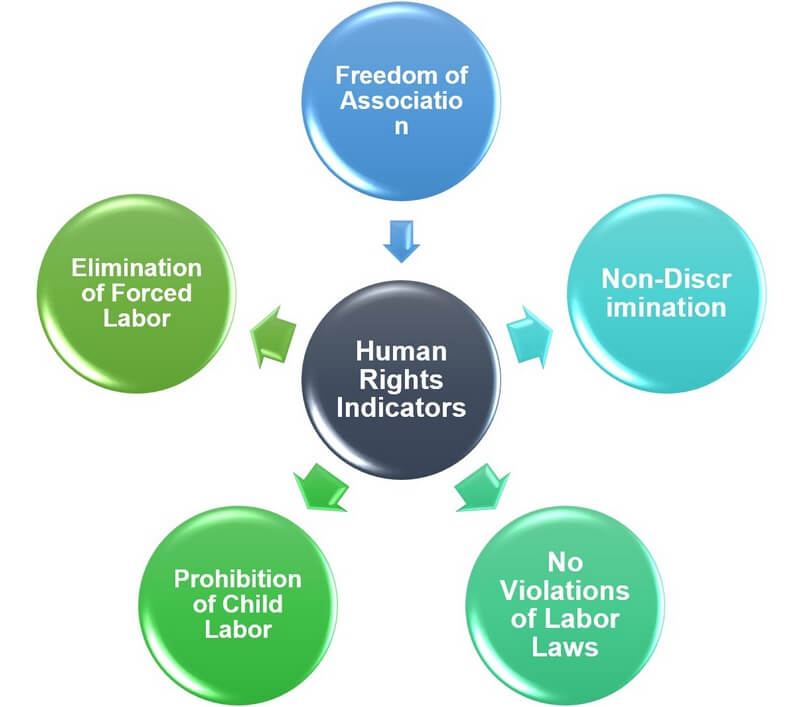
ASIX places strong emphasis on human rights in its supply chain, monitoring and assessing whether suppliers treat workers fairly and uphold ethical standards between employers and employees. Suppliers are required to ensure non‑discrimination, prohibition of child labor, elimination of forced labor, freedom of association, compliance with labor laws, fair wages, and safe working conditions. To safeguard workplace dignity and ethical conduct, ASIX conducts supplier assessments based on the Responsible Business Alliance (RBA) standards and requires full compliance. In 2025, assessment results showed 100% compliance, with no human rights violations identified. The company will continue monitoring suppliers in 2026 to ensure adherence to these codes of conduct.
Supplier Management Policies and Achievements
ASIX has established a supplier management policy requiring compliance with environmental protection, occupational health and safety, and labor rights. The policy aligns with the Responsible Business Alliance (RBA) Code of Conduct, the EU RoHS 2.0 Directive, REACH regulations, and the Conflict-Free Minerals Policy.
2025 Implementation Results:
- RBA Code of Conduct assessments for major suppliers and contractors – 100% compliance
- RoHS and REACH SVHC surveys – 100% compliance across all raw materials
- Conflict minerals CMRT/EMRT surveys – all suppliers sourced from certified smelters
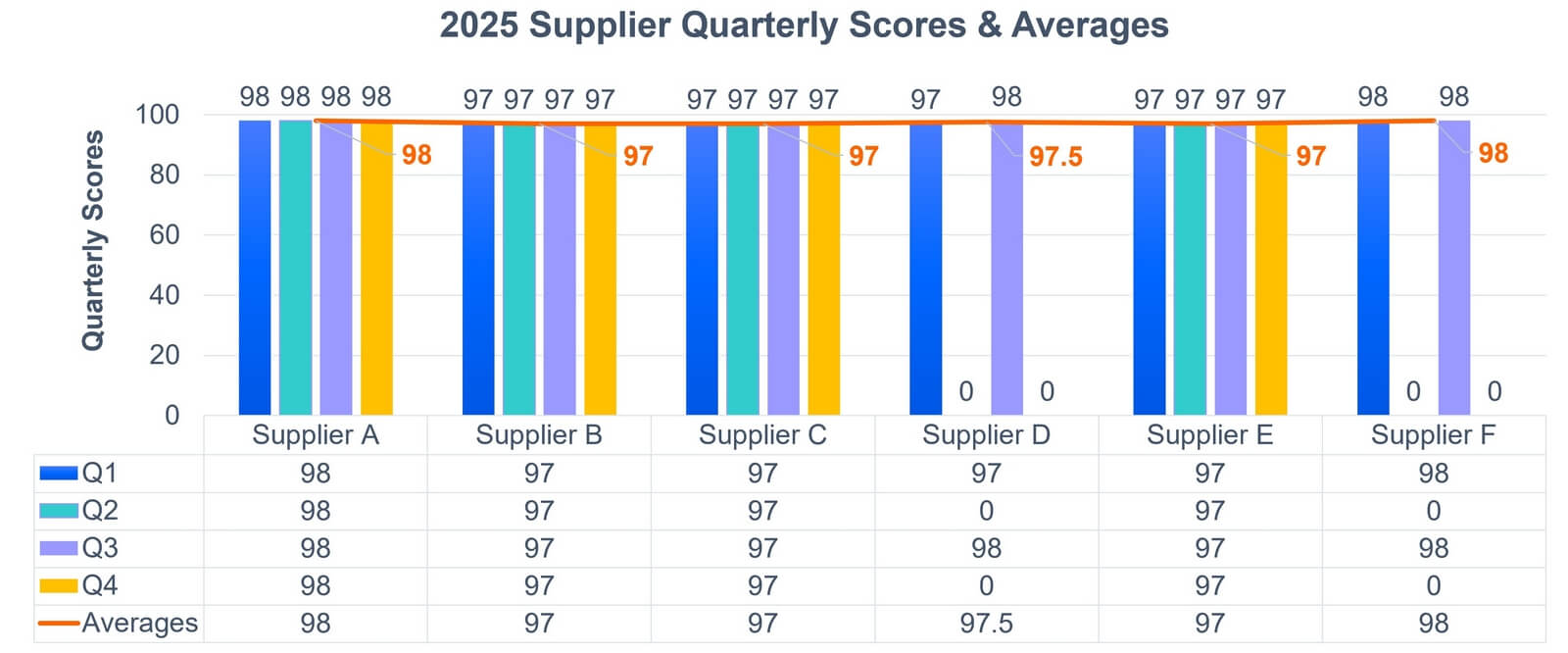
- Quarterly and annual supplier evaluations – all suppliers rated as “Excellent Qualified Supplier” (91+ points)
Detailed evaluation results, green product management, and survey findings are provided in this section.

Procurement Policy and Sustainability
In today’s dynamic business environment, flexible procurement policies are essential to reducing costs, strengthening supply chain resilience, and enhancing competitiveness. ASIX’s procurement policy is guided by local sourcing, flexible manufacturing, and second sourcing.
As a fabless IC design company, ASIX procures ICs and outsources production to leading domestic foundries, packaging, and testing facilities. Our suppliers maintain internationally recognized certifications, including ISO 9001 (Quality Management), IATF 16949 (Automotive Quality), ISO 14001 (Environmental Management), QC 080000 (Hazardous Substance Process Management), ISO 45001 (Occupational Health & Safety), and ISO 14067 (Product Carbon Footprint).
Aligned with corporate sustainability, ASIX prioritizes local sourcing to minimize transportation-related carbon emissions and energy use. To mitigate supply risks, we implement second source mechanisms to ensure 100% on-time delivery and customer satisfaction. Suppliers also embrace green manufacturing and carbon reduction practices, reinforcing ASIX’s competitiveness and sustainable brand image.
Supplier Evaluation Criteria
ASIX enforces a rigorous evaluation process for supplier‑delivered goods, conducted quarterly and annually, and integrated into quality objectives, KPIs, risk assessments, and opportunity evaluations.
Quarterly supplier performance evaluation criteria and weights:
- Product Quality (50%)
- Non‑Conformance or Corrective/Preventive Action Reports (20%)
- Compliance with Green Product Regulations (20%)
- Supplier Cooperation & Service Attitude (10%)
Supplier Delivery Quality
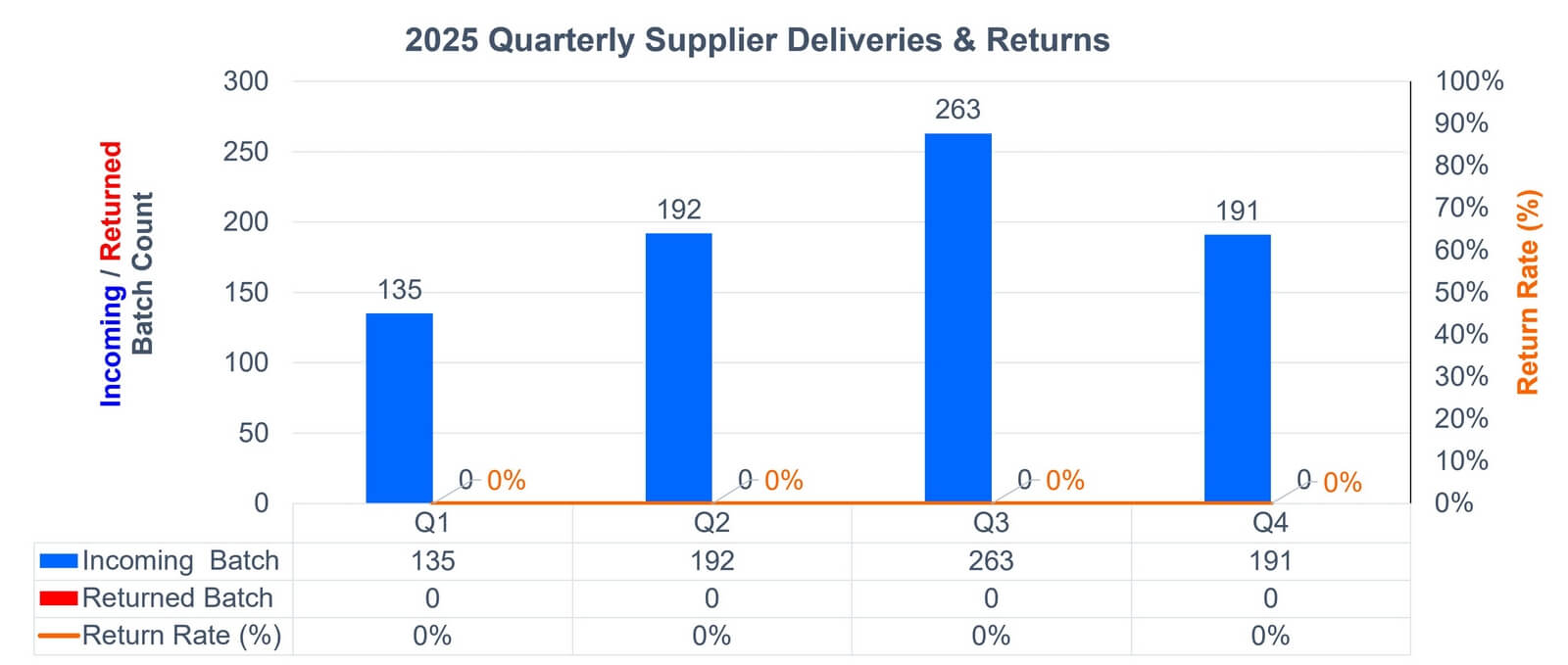
For 2025, the quarterly IQC (Incoming Quality Control) inspections of supplier deliveries recorded zero batch rejections, resulting in a 0% rejection rate.
Outsourcing Evaluation Criteria
ASIX enforces a rigorous quarterly and annual evaluation process for outsourced supplier ‑ delivered goods, integrating results into quality objectives, KPIs, risk assessments, and opportunity evaluations.
The criteria and weights for quarterly outsourced supplier performance evaluations are as follows:
- Product Quality (25%)
- Non‑Conformance or Corrective/Preventive Action Reports (15%)
- Compliance with Green Product Regulations (25%)
- On‑Time Delivery Rate (25%)
- Supplier Cooperation & Service Attitude (10%)
Evaluation Criteria: Excellent Qualified Contractor (91 points or above); Qualified Contractor (81-90 points); Re-evaluation Needed (70-80 points); Not Qualified (69 points or below).
Outsourcing Delivery Quality
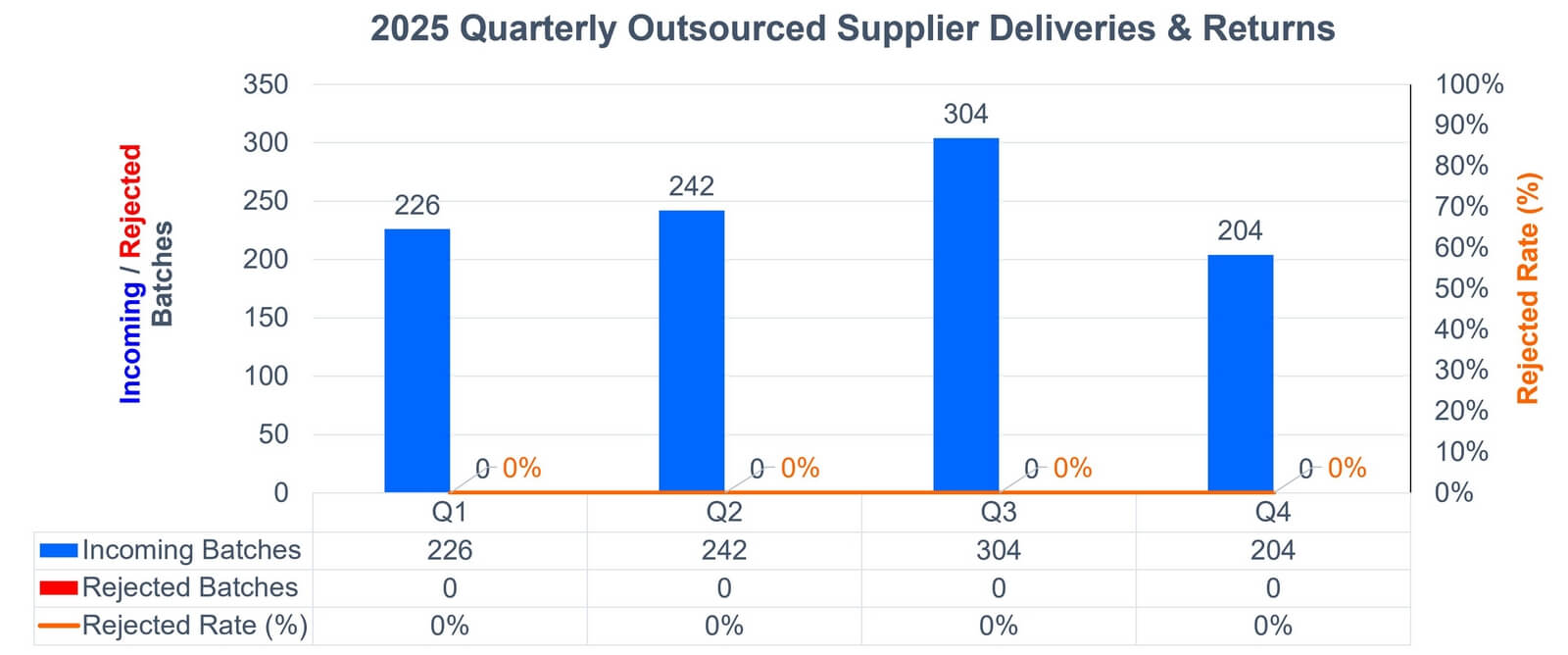
For 2025, the quarterly IQC inspections of outsourced supplier deliveries recorded zero batch rejections, resulting in a 0% rejection rate.
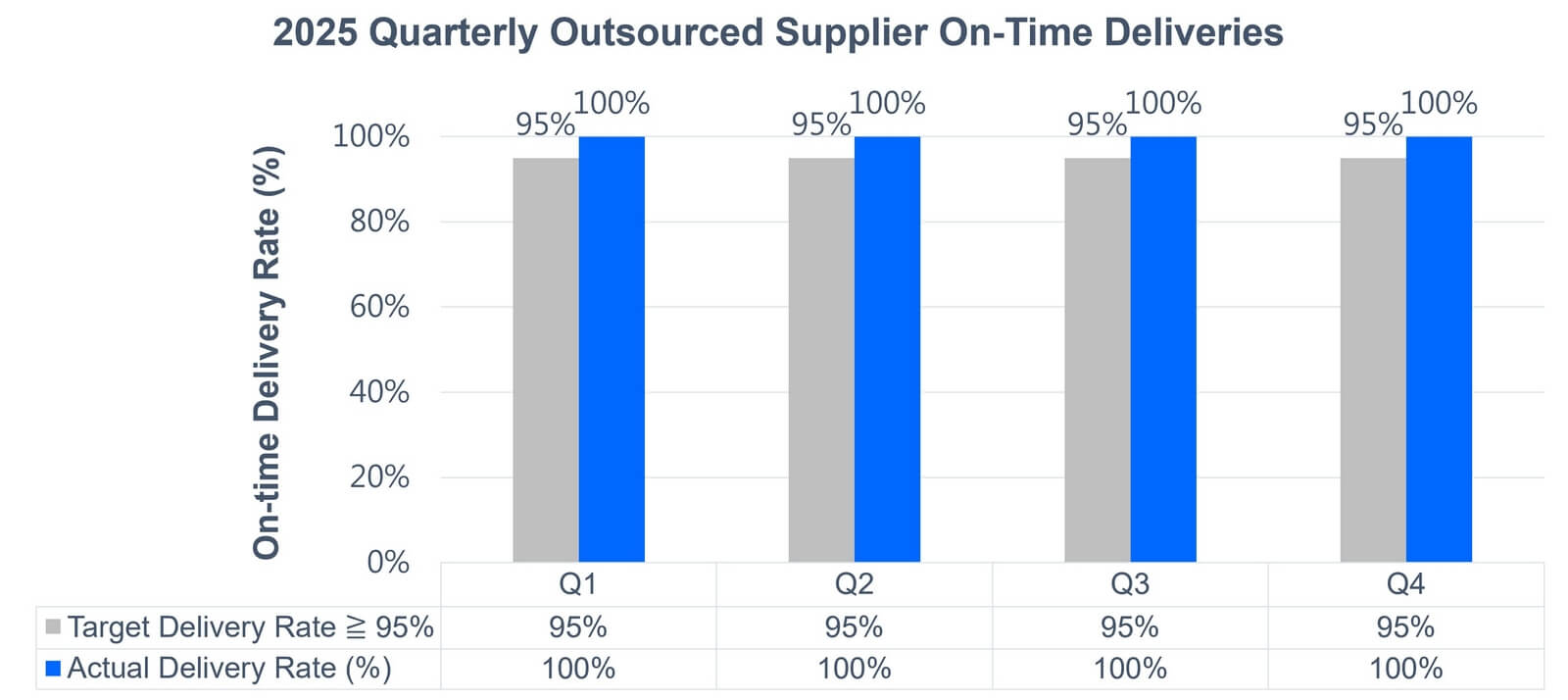
Outsourcing On-Time Delivery Assessment
In 2025, quarterly evaluations of on‑time delivery performance for key outsourced suppliers were conducted. The statistical results confirmed a 100% on‑time delivery rate across all quarters.
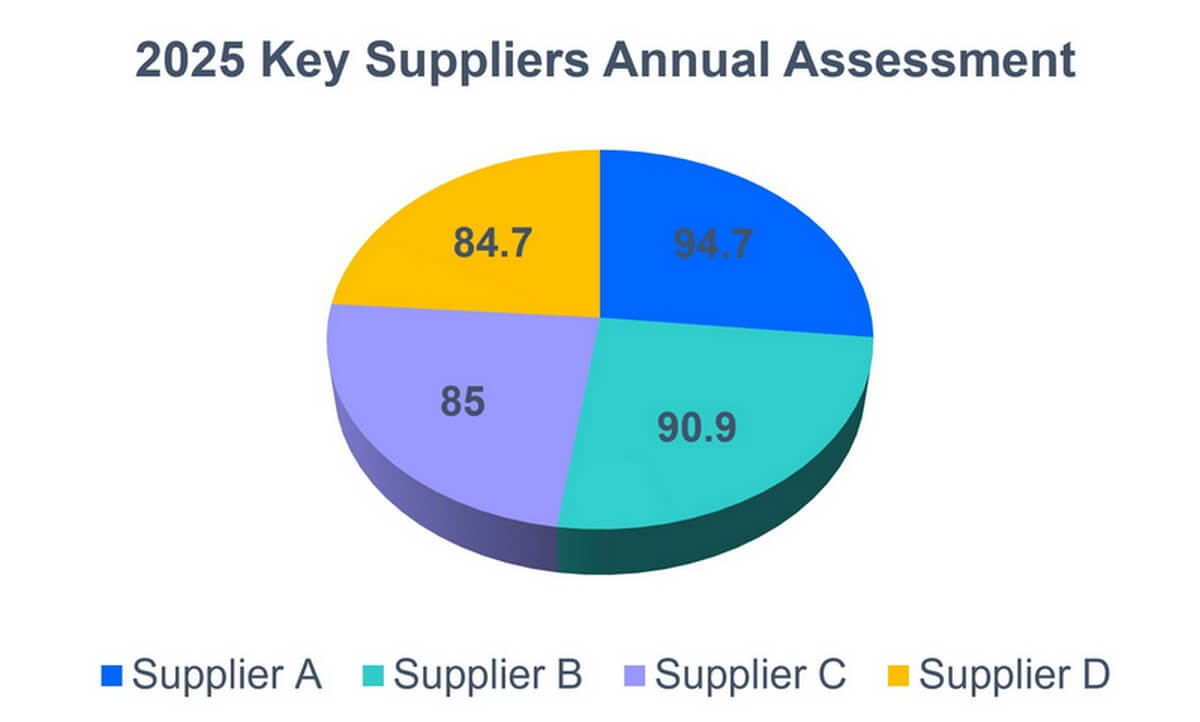
Annual Audit and Assessment of Major Suppliers and Contractors
ASIX emphasizes the business status, quality system management, and engineering capability of its suppliers and contractors. Annual evaluations are conducted through self‑assessment checklists or on‑site audits.
In 2025, four major suppliers/contractors (out of eight, covering about 95% of purchase amount) were audited and assessed, with an average score of 88.8. Two were rated as Excellent Qualified Suppliers, and two were rated as Qualified Suppliers.
Annual Evaluation Criteria and Weightings:
- Business Status – 30%
- Quality System and Sustainability Management – 40%
- Engineering Capability – 30%
Evaluation Criteria: Excellent Qualified Supplier (91 points or above); Qualified Supplier (81-90 points); Reassessment Required (70-80 points); Non-Qualified (69 points or below).
Green Product Management
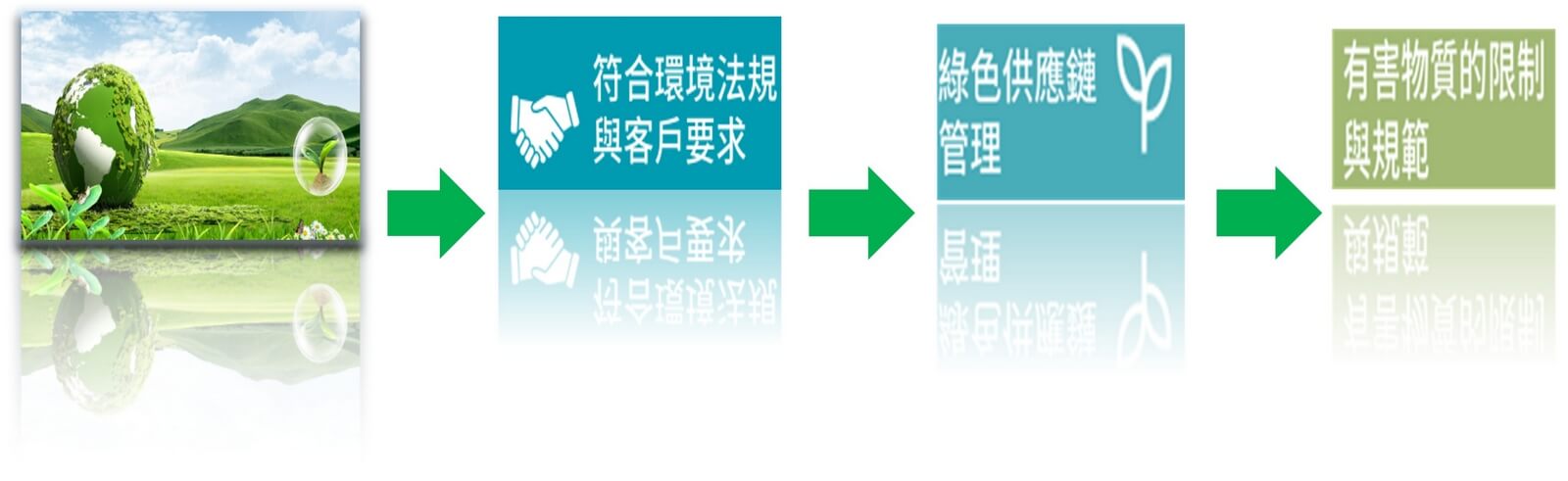
ASIX is committed to full compliance with international green product regulations. The company has established a Green Product Management Procedure and Material Approval Procedure to rigorously control product design, raw material selection, manufacturing processes, and packaging materials, ensuring adherence to hazardous substance restrictions and prohibitions, with the ultimate goal of eliminating harmful substances.
In 2025, ASIX’s supply chain materials and production processes achieved 100% compliance with the EU Restriction of Hazardous Substances Directives (Directive 2011/65/EU and Directive (EU) 2015/863) and the EU REACH Regulation (Registration, Evaluation, Authorization, and Restriction of Chemicals). This commitment fulfills customer requirements for green products, aligns with international environmental standards, reduces environmental impact, and enhances product competitiveness.
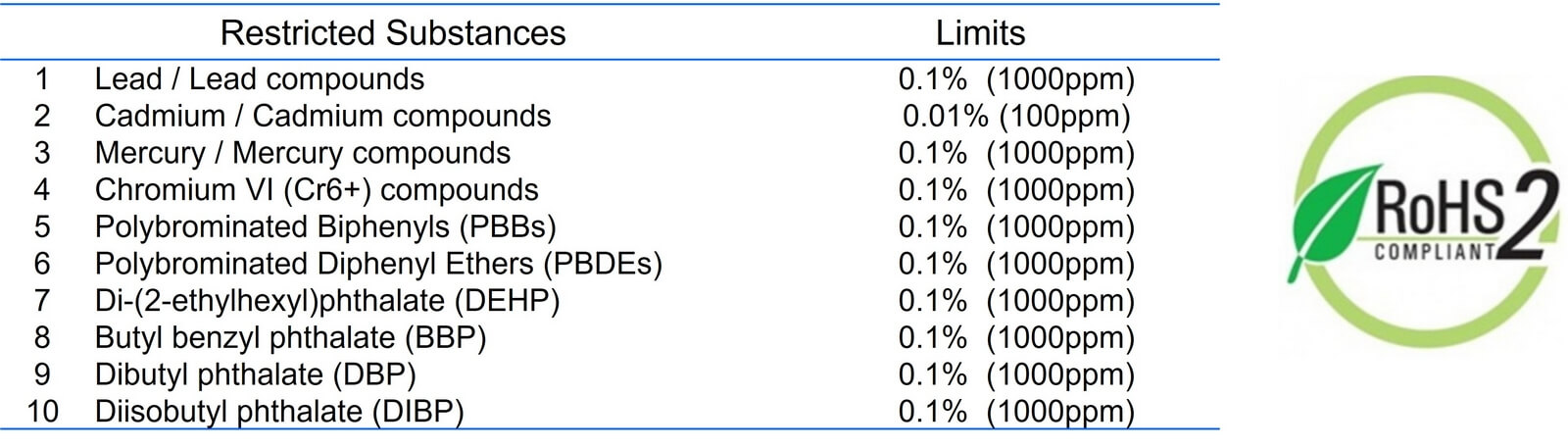
EU RoHS 2.0 Restricted Substances Survey
ASIX conducts regular audits of third‑party testing reports (e.g., SGS) provided by suppliers and contractors for IC raw materials to ensure compliance with the EU RoHS 2.0 Directive (2011/65/EU). This directive restricts hazardous substances in electrical and electronic equipment, and its amendment (EU 2015/863) expanded the list to ten restricted substances.
The regulatory limits are outlined in the table below. Following a comprehensive review, ASIX confirmed that all raw material test reports for 2025 were 100% compliant, with no restricted substances exceeding the allowable thresholds.

EU REACH SVHC Survey
- SVHC concentration in the finished product exceeds 0.1% (w/w)
- Annual production or sales volume of the SVHC within the EU exceeds one ton
Customer Service
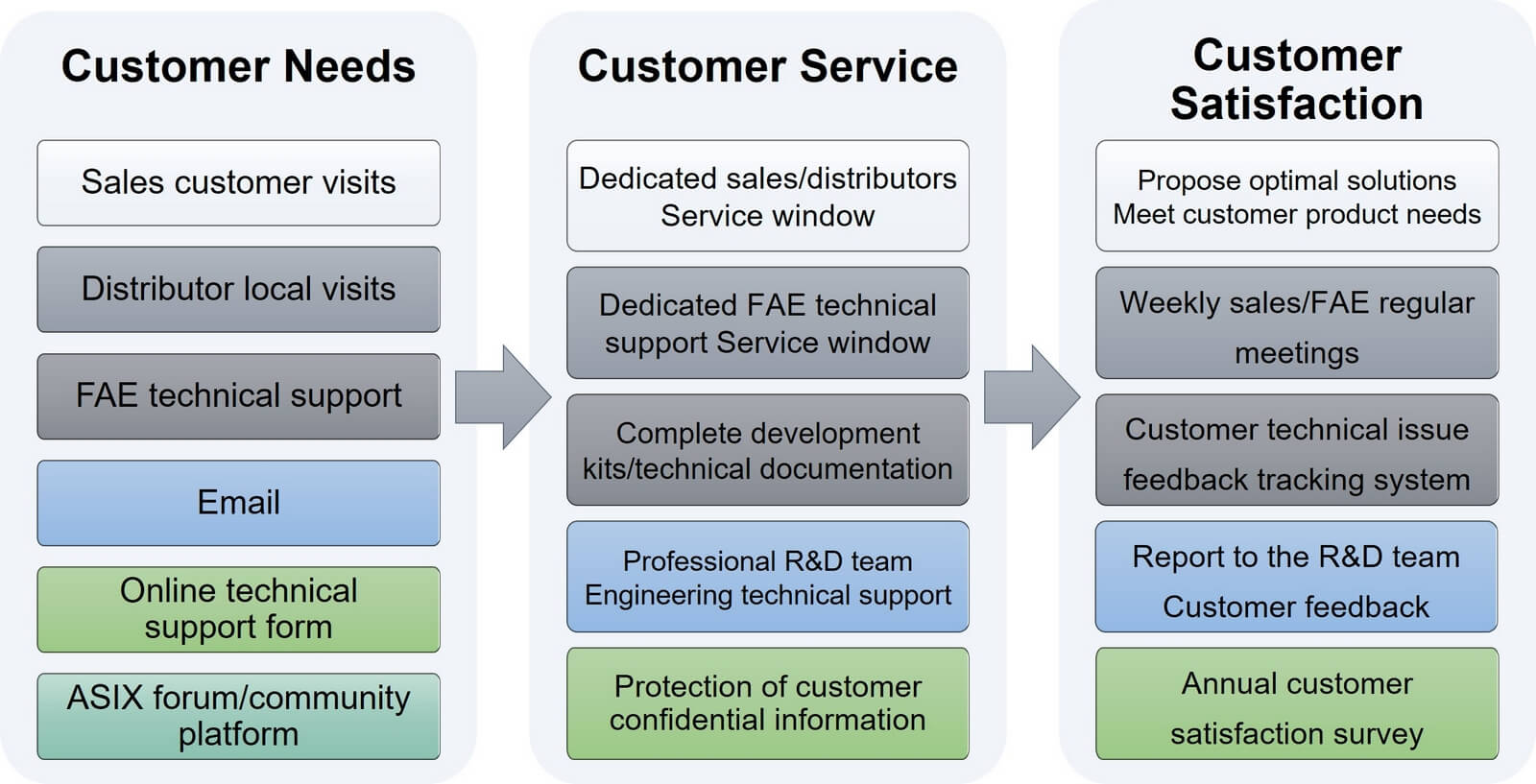
ASIX’s customer relationship management policy emphasizes long‑term collaboration, working closely with supply chain partners — including foundries, design service firms, and packaging/testing houses — to ensure stable chip supply, superior quality, and competitive pricing. The company is committed to building enduring relationships with key customers by delivering cost‑effective chip solutions and providing timely, professional technical support to ensure rapid responses to customer needs.
To enhance customer service, ASIX has established a technical feedback and tracking system, enabling sales, support, and R&D teams to promptly capture customer input. Weekly meetings are held to review solutions, thereby improving technical support efficiency. The 2025 customer satisfaction survey reported overall satisfaction exceeding 90%.
ASIX’s market channel strategy targets Taiwan, Mainland China, Europe, the United States, and Japan. Guided by customer value, the company leverages product innovation and responsive technical support to earn trust and strengthen market competitiveness.
Customer Relationship Management Strategy
ASIX is committed to customer focus, delivering competitive products through reliable supply chains, continuous innovation, and professional services. A structured feedback mechanism ensures rapid responses from sales, support, and R&D teams. Annual customer satisfaction surveys cover service performance, delivery lead time, product quality, and environmental practices. ASIX continually enhances its technical support processes to improve customer satisfaction and strengthen long‑term partnerships.

Customer Satisfaction Survey
ASIX values consumer rights and is committed to fostering a customer‑centric corporate culture. A “Customer Complaint Handling Procedure” has been established to ensure that product anomalies are promptly addressed and customer interests are safeguarded. All products and services strictly comply with health, safety, marketing, and labeling standards, and since its establishment, there have been no incidents reported by the media or verified cases of products or services endangering consumers or other stakeholders.
The company conducts annual customer satisfaction surveys and has established accessible complaint channels, such as dedicated mailboxes and hotlines, to actively listen to customer feedback and continuously improve service quality. Customer satisfaction surveys cover key areas including service quality, delivery lead time, product quality, and environmental measures. The results are used to improve technical support, supply chain management, and product development, thereby enhancing overall satisfaction and strengthening long‑term partnerships.
In 2025, the average customer satisfaction score reached 4.70 out of 5, with no reported cases of customer privacy violations.